
"coffee chewing"
1100 article(s) found

The Origin of Fine Coffee
-the earliest Arab way to eat coffee was to chew the whole fruit (Coffee Cherry) to absorb its juice. They then mixed the ground coffee beans with animal fat as a physical supplement for long trips, and it was not until the year 1000 that the green coffee beans were boiled in boiling water to make an aromatic drink. -three more have passed.

The way Arabs roast coffee beans
Since the Arabs discovered the coffee beans, the first way to eat them is to put the whole fruit of the coffee into the mouth and chew it to get its juice.

Select coffee beans
01. When buying, pay attention to whether the color of the beans and the size of the particles are the same. Good coffee beans are shiny and have a strong aroma without being mixed with peculiar smell. 02. No matter what kind of coffee beans, freshness is an important factor affecting the quality. 03. When shopping, grab one or two coffee beans and chew them in your mouth to make a clear sound (indicating that the coffee is not damp) and to leave fragrance on your teeth and cheeks.

Some ingredients in coffee can suppress halitosis
Previously, it was generally believed that drinking coffee would make you have a bad breath.
How to choose coffee beans
The freshness of coffee beans is the most important factor affecting the brewing quality of coffee, because the activity of coffee beans is hidden in its smell.
How to bake coffee just right
Since the Arabs discovered the coffee beans, the first way to eat them is to put the whole fruit of the coffee into the mouth and chew it to get its juice.
How to bake coffee
Since the Arabs discovered the coffee beans, the first way to eat them is to put the whole fruit of the coffee into the mouth and chew it to get its juice.
How to bake coffee is the best
Since the Arabs discovered the coffee beans, the first way to eat them is to put the whole fruit of the coffee into the mouth and chew it to get its juice.
How to choose fresh coffee beans?
The freshness of coffee beans is the most important factor affecting the brewing quality of coffee, because the activity of coffee beans is hidden in its smell.

Jiangmen Cafe recommends spread Coffee
In a leisure city, spread coffee screened some of the world's high-quality, mellow coffee, the environment is leisure and elegant, with a cup of coffee aftertaste for a day, feel, experience, chew slowly, and then get, and then happily, life is such a little bit of rich up, and then slowly calm, calm, generous, happy. Add: Kaiping, Jiangmen, Guangdong

Drinking coffee regularly can keep your breath fresh
Scientific experiments have shown that dental plaque produces sulfur compounds that make the mouth stink, while some ingredients in coffee can inhibit the formation of dental plaque and block the occurrence of halitosis from the source.
Coffee, prunes, lemons and other acidic foods can eliminate bad breath
Sour foods such as prunes and lemons have the effect of alleviating bad breath. In ancient times, there was an allusion to "quenching thirst by looking at plum blossoms", that is, acidic food can promote saliva secretion and play an important role in preventing halitosis.
Roasting and taste of coffee
Since the Arabs discovered the coffee beans, the first way to eat them is to put the whole fruit of the coffee into the mouth and chew it to get its juice. Later, they ground the coffee beans from the fruit and mixed them with animal fat as a physical supplement for caravans to trade far away. After that, around 1000 AD, it was changed to the method of boiling raw beans into soup. Until 13.
The country with the oldest coffee culture
Essex is the first country in the world to grow coffee and maintain the oldest coffee culture. It still maintains a very traditional and ancient coffee growing process.
Basic knowledge of boutique coffee how to choose coffee beans
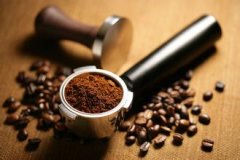
The freshness of coffee beans is the most important factor affecting the brewing quality of coffee, because the activity of coffee beans is hidden in its smell. Fresh coffee beans, like a can of bubbly, full-tasting cola, can smell a pleasant aroma as soon as the bag is opened. Look. Fresh and good coffee beans are round in shape, fat and shiny, and vice versa
General knowledge of boutique coffee how to choose coffee beans
The freshness of coffee beans is the most important factor affecting the brewing quality of coffee, because the activity of coffee beans is hidden in its smell. Fresh coffee beans, like a can of bubbly, full-tasting cola, can smell a pleasant aroma as soon as the bag is opened. Look. Fresh and good coffee beans are round in shape, fat and shiny, and vice versa
Coffee roasting technique how to bake coffee just right
Since the Arabs discovered the coffee beans, the first way to eat them is to put the whole fruit of the coffee into the mouth and chew it to get its juice. Later, they ground the coffee beans from the fruit and mixed them with animal fat as a physical supplement for caravans to trade far away. After that, around 1000 AD, it was changed to the method of boiling raw beans into soup. Until 13.
Roasting and Taste of Fine Coffee
Since the Arabs discovered the coffee beans, the first way to eat them is to put the whole fruit of the coffee into the mouth and chew it to get its juice. Later, they ground the coffee beans from the fruit and mixed them with animal fat as a physical supplement for caravans to trade far away. After that, around 1000 AD, it was changed to the method of boiling raw beans into soup. Until 13.
The birth of instant coffee
The popularity of coffee began in the Meiji era. The earliest coffee taste that can be tasted casually comes from coffee candy or snow candy. This is to add coffee to cube sugar and chew it in your mouth. If you put it into a cup and rinse it with hot water, it will become a simple coffee and tea. Now known as instant coffee was produced in 1899 (Meiji 32). Invented by Dr. Kato Kato, the Japanese who invented the vacuum drying method.
Roasting and taste of basic coffee
Since the Arabs discovered the coffee beans, the first way to eat them is to put the whole fruit of the coffee into the mouth and chew it to get its juice. Later, they ground the coffee beans from the fruit and mixed them with animal fat as a physical supplement for caravans to trade far away. After that, around 1000 AD, it was changed to the method of boiling raw beans into soup. Until 13.